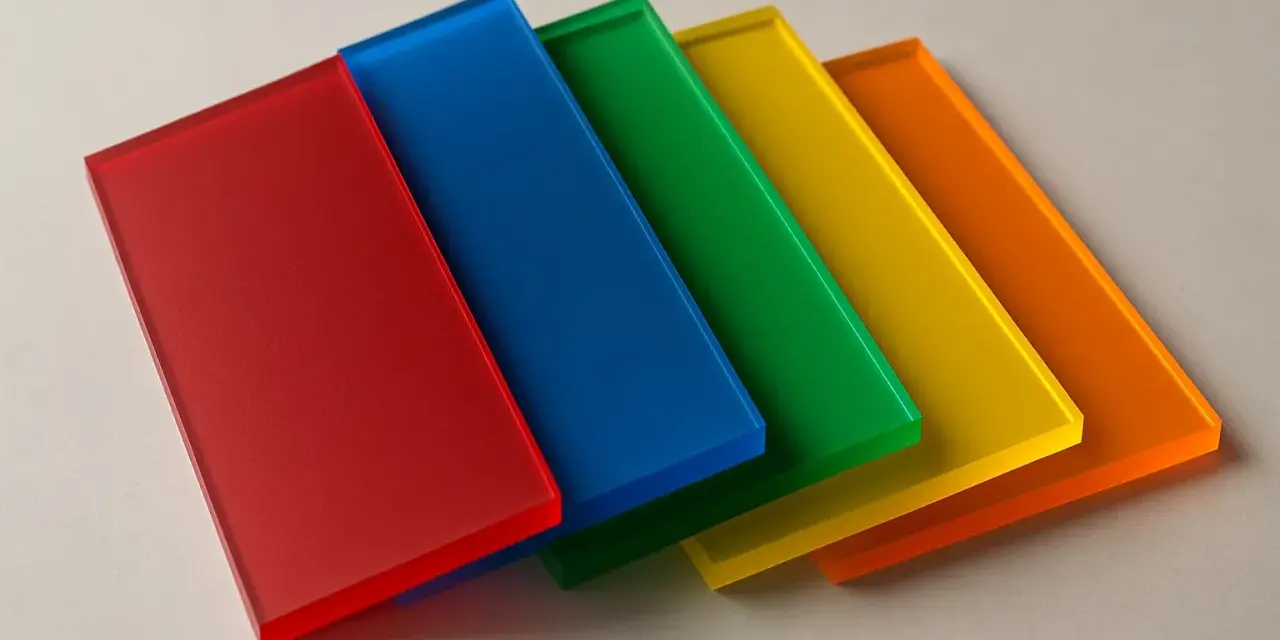
Layered UV resin only looks seamless when each pass bonds cleanly to the one below it. This article explains how to layer resin without lines by controlling layer thickness, cure timing, surface prep, and the small mistakes that leave a visible seam behind. I’ll also cover what to do when a layer has already fully cured, because that is usually where a clean project turns frustrating.
The fastest route to seamless UV resin layers
- Work in thin passes, usually around 1-2 mm, so UV light can cure the resin evenly.
- Add the next layer while the previous one is still slightly tacky if you want a nearly invisible chemical bond.
- If the surface has already cured, scuff-sand it lightly and clean it before recoating.
- Use a lamp that matches the resin, typically in the 365-405 nm range.
- Keep pigments modest, because heavy color blocks light and makes seams more visible.
- Bubble control and dust control matter just as much as cure time.
Why seam lines show up in UV resin at all
A visible line between layers is usually not a mystery defect. It is the point where one layer stopped bonding smoothly to the next. In UV resin, that happens fast because the material cures quickly, so the window for a clean fusion is short and the surface chemistry changes almost immediately.
There are four common causes I see over and over:
- The layer is too thick. UV light only penetrates a few millimeters at a time, so the top may look cured while the lower part stays soft.
- The previous layer is already too hard. Once a layer fully cures, the next one usually needs help grabbing on.
- Dust, oil, or fingerprints are on the surface. Any contamination becomes a weak boundary and can read like a line under clear resin.
- Pigment, flowers, glitter, or opaque inserts block light. Those materials create shadowed zones, which cure differently and make the layer break more obvious.
Heat matters too. Resin gives off heat as it cures, and that exotherm can build if you keep stacking resin too aggressively. When the piece gets hot, bubbles expand, the cure can become uneven, and the interface between layers becomes easier to see. Once you understand that, the fix is straightforward: control the bond, control the light, and keep every pass thin enough to cure cleanly. That leads directly to the question of what kind of bond you actually want.
The bond you want between layers
When I layer UV resin, I think in terms of two different bonds. A chemical bond happens when the next layer goes on while the first is still in its tacky stage, meaning it is set enough to hold shape but still slightly grabby. A mechanical bond happens after full cure, when I create fine scratches so the fresh resin has something to grip.
| Situation | Best move | Why it works | Main risk |
|---|---|---|---|
| Previous layer is slightly tacky | Add the next thin layer right away | The layers fuse before the surface fully locks up | The working window is short |
| Previous layer is fully cured | Lightly scuff-sand, clean, then recoat | Micro-scratches give the new layer something to hold onto | Deep scratches can show through clear resin |
| Layer contains heavy pigment or embeds | Use thinner passes and cure from more angles | Light reaches more of the resin mass | Hidden soft spots if you rush |
The practical rule is simple: either catch the tacky window or prep the cured surface. Anything in between is where visible seams tend to happen. Once that is clear, the actual layering process becomes much easier to control.
The layering method I would use for a seamless finish
For small jewelry pieces, charms, keychains, and decorative inserts, I keep the process deliberate and narrow. I would rather do three clean passes than one heavy pour that traps bubbles and turns the piece cloudy.
- Plan the depth before you pour. If the design needs more than a very shallow build, split it into multiple layers from the start. For many craft resins, 1-2 mm is the sweet spot, and some formulas cure a 2-3 mm layer quickly under a proper lamp.
- Prep the piece and the workspace. Wipe down the mold or base, keep the bottle capped when you are not using it, and work out of direct sunlight so the resin does not start curing early.
- Pour close to the surface. This reduces cascading and helps keep bubbles down. If you pour from too high, you are just inviting air into the layer.
- Let the resin settle briefly. A short pause of 30-60 seconds is often enough for tiny bubbles to rise before curing.
- Cure with the right light. Most UV craft resins want a 365-405 nm lamp. Move the light around the piece, especially if the mold is deep, opaque, or packed with inclusions.
- Check the surface before the next pour. If it is still slightly tacky, that is the best time to add the next pass. If it feels hard and slick, stop and prep it instead of forcing a new layer onto a sealed surface.
- Place inserts gently. Dried flowers, foil, glitter, and other inclusions should sit flat. If they tilt, they create thickness changes that show up as a line later.
- Finish with a top coat only if it helps. A final clear layer can unify the surface and add gloss, but it should not be used to hide bad curing underneath.
There is one practical limitation worth saying out loud: UV resin is not forgiving of deep builds. It is excellent for shallow decorative work, but if the design is too thick or too opaque, I would rather slow down and plan more layers than try to brute-force the cure. If the first layer has already gone fully hard, the approach changes.
If the first layer is already cured, scuff it instead of forcing a bond
Once you miss the tacky window, I would not pour the next layer directly onto a glossy cured surface and hope for the best. That usually gives you weak adhesion and a seam that stays visible under clear resin. The better move is to create a mechanical bond.
Here is the sequence I use:
- Lightly scuff the cured surface until the gloss is broken.
- Use a fine grit, typically around 220-320 for adhesion on small pieces, or a little finer if the scratches might show through a very clear finish.
- Remove every trace of dust before recoating.
- Wipe with a clean, lint-free cloth and let the surface dry completely.
- Apply the next layer thinly so it settles into the micro-scratches instead of floating on top of them.
I also pay attention to the kind of problem I am fixing. If the issue is a tiny ridge, a scuff coat and another clear layer may be enough. If the issue is a true step between layers, I level it first and only then build back up. That distinction matters because sanding can solve adhesion, but it cannot magically erase a bad geometry change. Once the bond is sorted out, the next challenge is keeping the whole piece visually clean.
Keep the finish clear instead of cloudy
Most resin lines are made worse by bubbles, haze, or color shifts. Those are not separate problems. They are part of the same visibility issue, because anything that changes how light moves through the resin makes a seam easier to see.
I focus on a few habits that make a real difference:
- Keep pigments restrained. Heavy pigment loading can block UV light and leave a band between layers.
- Use transparent molds or open sides when possible. Light has a better chance of reaching the whole layer.
- Release bubbles before curing. A toothpick, a slow pour, or a brief rest is safer than trying to fix trapped air after the fact.
- Move the lamp or rotate the piece. Side angles and underside exposure help with shadowed zones.
- Do not overheat the resin. Extra time under the lamp mostly adds heat once the layer has already cured.
- Keep the workspace clean. Dust on a tacky surface is one of the easiest ways to create a visible seam that should not have been there.
Exotherm is the heat released during curing, and in UV resin it is usually manageable when the layers are thin. The problem appears when the pour gets too deep, too dark, or too warm. If I see clouding, I usually ask three questions in this order: was the layer too thick, was the light weak or misaligned, and did I trap contamination before curing? That sequence catches most problems before they become permanent. From there, the last step is building a workflow that I can repeat without guessing.
What I would check before calling the surface seamless
Before I consider a layered UV resin piece finished, I run through a short checklist. It keeps me from sanding or recoating later because I rushed the last pass.
- The layer thickness stayed thin enough for the lamp to reach through.
- The previous layer was either tacky enough for a chemical bond or scuffed enough for a mechanical bond.
- The lamp matched the resin’s curing range, usually 365-405 nm.
- The piece got light from more than one angle if the mold or insert created shadowed spots.
- The surface was clean, dry, and free of fingerprints before the next pour.
- The final coat cured fully and cooled before I handled it under raking light.
If I were teaching this to a beginner, I would reduce it to one sentence: keep the layers thin, keep the bond window in mind, and do not let light, dust, or pigment do more work than the resin can handle. That is the difference between a layered piece that reads as one clean block and a project that shows every boundary you tried to hide.